
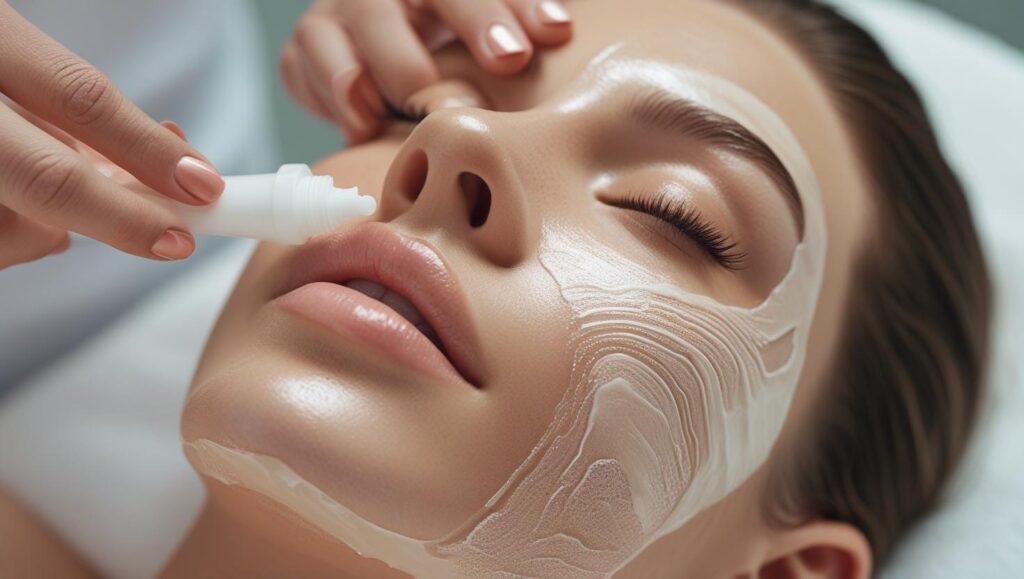
If you’ve ever dreamed of waking up to smoother, brighter, and more radiant skin, glycolic peel facials might just be your skincare breakthrough. From fading acne scars to revealing a luminous glow, this chemical peel is gaining massive popularity—and for good reason.
In this blog post, I’ll walk you through what glycolic peels are, how they work, their incredible benefits, and what to expect before, during, and after the treatment. Whether you’re struggling with dullness or signs of aging, here’s everything you need to know to transform your skin with glycolic peel facials.
What is a Glycolic Peel Facial?
A glycolic peel facial is a type of alpha hydroxy acid (AHA) treatment that uses glycolic acid to exfoliate the skin’s outermost layer. It’s designed to remove dead skin cells, unclog pores, and stimulate collagen production, making it a powerful option for people looking to refresh their skin.
Why Skin Care and Chemical Peels Matter
With pollution, stress, and aging all affecting our skin’s health, regular facials and exfoliation are essential. Chemical peels—especially those with glycolic acid—offer deep rejuvenation that topical creams and scrubs can’t match. Think of it as a reset button for your skin.
If you’re curious about glycolic peels but unsure of what to expect, this blog offers a complete breakdown—from the treatment steps to the glowing benefits and expert aftercare advice. Let’s dive in.
Step-by-Step Guide to a Glycolic Peel Facial
Pre-Peel Preparation
1. Consultation with a Skincare Professional
Before anything touches your skin, a licensed esthetician or dermatologist will assess your needs. This is crucial to ensure glycolic acid is suitable for your skin type and concerns.
2. Skin Assessment & Patch Test
A patch test is usually done 24–48 hours before your appointment. This test checks for allergic reactions or sensitivity to glycolic acid—especially important for sensitive skin types.
The Peeling Process
1. Application of Glycolic Acid
During the facial, glycolic acid (usually between 20%-70%) is applied evenly across the face. You might feel tingling or mild stinging, but this is completely normal.
2. Duration & Monitoring
The acid typically remains on your skin for 2 to 10 minutes, depending on the concentration and your skin’s tolerance. Your skincare professional will closely monitor your skin for any signs of discomfort.
Post-Peel Care
1. Immediate Aftercare Instructions
Right after the treatment, you may notice some redness or mild peeling. Avoid sun exposure, and don’t use exfoliants or active ingredients like retinol for at least 3–5 days.
2. Recommended Skincare Products
Stick to hydrating, fragrance-free products. Look for ingredients like hyaluronic acid, ceramides, and SPF 30+ sunscreen. These help soothe the skin and protect your fresh new layer.
7 Benefits of Glycolic Peel Facials for Your Skin
Ready for the transformation? Here’s what glycolic acid can do:
1. Exfoliation & Dead Skin Removal
Glycolic acid dissolves the glue-like substance holding dead skin cells together, revealing softer, smoother skin underneath.
2. Smoother Skin Texture
You’ll notice reduced rough patches and dry spots, giving your face a more even texture.
3. Fewer Fine Lines & Wrinkles
Over time, glycolic acid boosts collagen production, which plumps up fine lines and softens wrinkles.
4. Fewer Breakouts & Acne Scars
Glycolic peels help unclog pores and fade post-acne pigmentation—making them ideal for oily or acne-prone skin.
5. Better Product Absorption
After exfoliation, your serums and moisturizers can penetrate deeper, maximizing their effectiveness.
6. Collagen Boosting Effects
With consistent treatments, glycolic acid stimulates new cell growth, improving skin firmness and elasticity.
7. Brighter, More Even Skin Tone
Say goodbye to dark spots and sun damage. Glycolic peels visibly reduce hyperpigmentation, leaving your skin glowing.
How Often Should You Get Glycolic Peels?
Recommended Frequency Based on Skin Type
- Sensitive/Dry Skin: Every 6–8 weeks
- Normal/Combination Skin: Every 4–6 weeks
- Oily/Acne-Prone Skin: Every 3–4 weeks
Factors That Affect Frequency
- Skin concerns (acne vs. aging)
- Peel strength (20% vs. 70%)
- Lifestyle factors (sun exposure, use of actives)
- Response to previous peels
Always Follow Professional Guidance
Overdoing peels can damage your skin barrier, especially if done too frequently or without expert supervision. Always consult your skincare provider before scheduling your next session. At Buttercup Skin Care, our licensed estheticians assess your skin’s unique needs to ensure safe and effective results with every glycolic peel facial.
Conclusion
From exfoliating dead cells to brightening your skin tone and boosting collagen, glycolic peel facials are a game-changer in skincare. They offer visible results in a short time—and work even better with consistency.
If you’re serious about skincare, adding monthly glycolic facials to your regimen can be the missing step your routine needs.
Glowing, healthy skin starts with informed choices and the right treatments. A glycolic peel facial isn’t just a trend—it’s a tried-and-true method backed by professionals and beloved by people just like you. So go ahead—transform your skin from within and fall in love with your glow.