
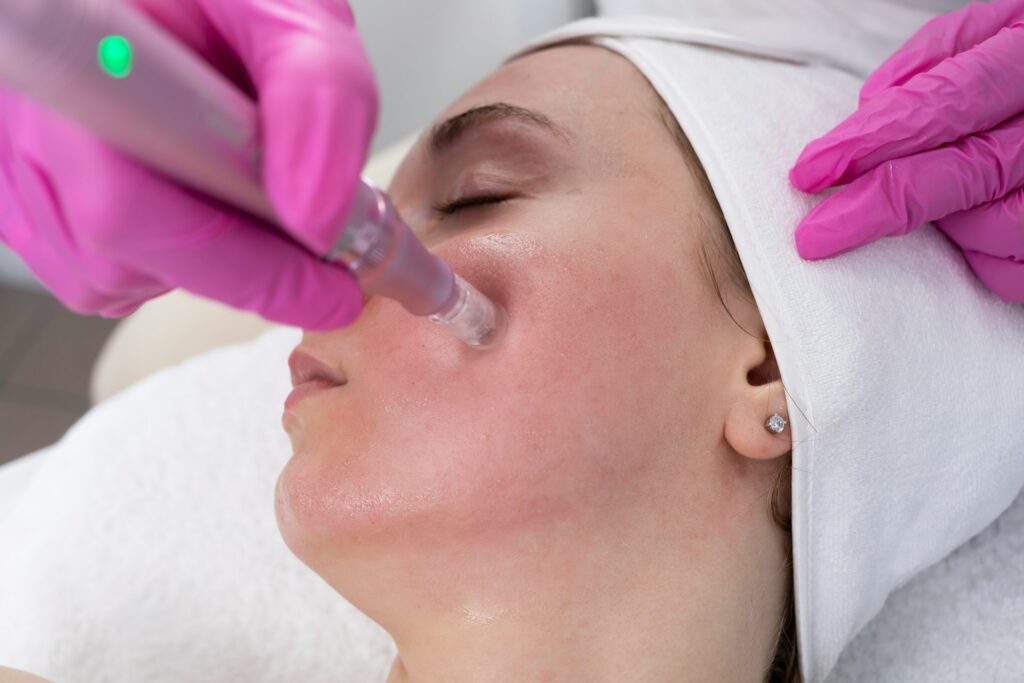
No two faces respond to skincare in exactly the same way. One person may struggle with excess oil and clogged pores, while another deals with dryness, redness, or a weakened skin barrier. Even your own skin can change from season to season.
That is why choosing a facial based only on its name may not give you the results you expect. A good treatment starts with understanding what your skin needs today.
Estheticians look at several factors before choosing products, techniques, and treatment intensity. This personalized process is especially helpful for skin that has been affected by pollution, sun exposure, stress, dehydration, or overuse of skincare products.
It Starts With a Skin Check
Before treatment begins, an esthetician examines your complexion closely.
They may look for:
- Excess oil
- Dry or flaky areas
- Clogged pores
- Redness
- Uneven texture
- Dehydration
- Breakouts
- Signs of sensitivity
This assessment helps determine which parts of the facial should receive more attention.
Your skin may not need the same treatment across your entire face. The forehead and nose may need pore care, while the cheeks may need extra hydration.
The Treatment Changes With Your Skin
Customization means the facial is adjusted instead of following one fixed routine.
If Your Skin Is Oily
The focus may shift toward cleansing and pore care. Lightweight hydration can follow so the skin does not feel stripped.
If Your Skin Is Dry
Gentle exfoliation and moisture-rich products can help soften rough areas and improve comfort.
If Your Skin Is Combination
Different areas can receive different levels of cleansing and hydration. This avoids treating the entire face as if it has one problem.
If Your Skin Is Sensitive
The treatment may use fewer active ingredients and gentler techniques. The goal is to calm the skin rather than create additional irritation.
If Your Skin Is Acne-Prone
The esthetician may focus on congestion and excess oil while avoiding techniques that could aggravate active inflammation.
Damaged Skin Needs a Different Strategy
Skin that has been stressed by pollution, excessive sun exposure, dehydration, or harsh products often needs a gentler approach.
Aggressive exfoliation may make already-irritated skin feel worse. Instead, the treatment can focus on removing surface buildup while supporting hydration and the skin barrier.
This is where customized facials stand apart from a one-size-fits-all treatment. The esthetician can change the products and techniques based on how your skin looks and feels during the appointment.
Why the Products Matter
The products used during a facial should match the condition of your skin.
For dehydrated skin, an esthetician may select ingredients that help attract and retain moisture. For congested skin, cleansing and exfoliating ingredients may receive more attention.
Calming ingredients can be useful for sensitive skin, while lightweight formulas may work better for oily complexions.
The right combination matters more than simply using a long list of products.
Your Skin Can Change With the Seasons
A facial that works well in January may not be the best choice in July.
Cold weather can leave skin dry and uncomfortable. Summer heat can increase sweating and oil production. NYC pollution adds another daily source of stress.
Your facial plan can change along with these conditions. Seasonal adjustments help address what your skin actually needs instead of forcing the same routine throughout the year.
Why Customized Facials Can Be Better for Stressed Skin
Damaged skin needs balance. Too much cleansing can remove protective oils, while too much exfoliation can increase sensitivity.
A customized facial takes a more targeted approach. It can combine cleansing, hydration, exfoliation, soothing products, and other techniques based on your current concerns.
For people looking for Facial services in New York City, this personalized approach can be especially useful because city skin faces constant exposure to pollution, weather changes, indoor air conditioning, and UV rays.
What You Should Tell Your Esthetician
Your appointment becomes more useful when you share what is happening with your skin.
Mention if you have recently:
- Started a new skincare product
- Experienced unusual dryness
- Had increased breakouts
- Spent more time in the sun
- Used strong exfoliating products
- Noticed new sensitivity
This information helps the esthetician avoid ingredients or techniques that may not suit your current skin condition.
A Facial Should Fit Into Your Skincare Routine
A facial should not replace your daily skincare routine. Think of it as an added layer of care.
Gentle cleansing, moisturizer, sunscreen, and suitable treatment products help maintain the results between appointments.
Your esthetician can help you understand which habits support your skin and which ones may be causing unnecessary irritation.
The Goal Is Healthier-Looking Skin
The purpose of a customized facial isn’t simply to make your face look better for one day. The bigger goal is to create a treatment plan that supports clearer, smoother, more comfortable skin over time.
When the treatment matches your skin’s current condition, you avoid unnecessary steps and give your complexion the care it actually needs.
Final Thoughts
Your skin has its own combination of concerns, sensitivities, and environmental stress. A customized facial recognizes those differences instead of treating every complexion the same way.
By assessing your skin first and adjusting cleansing, exfoliation, hydration, and soothing care accordingly, an esthetician can create a treatment that makes more sense for your complexion.
For skin affected by city pollution, seasonal changes, dryness, congestion, or daily stress, personalized care can be a smarter way to maintain a healthy-looking complexion.