
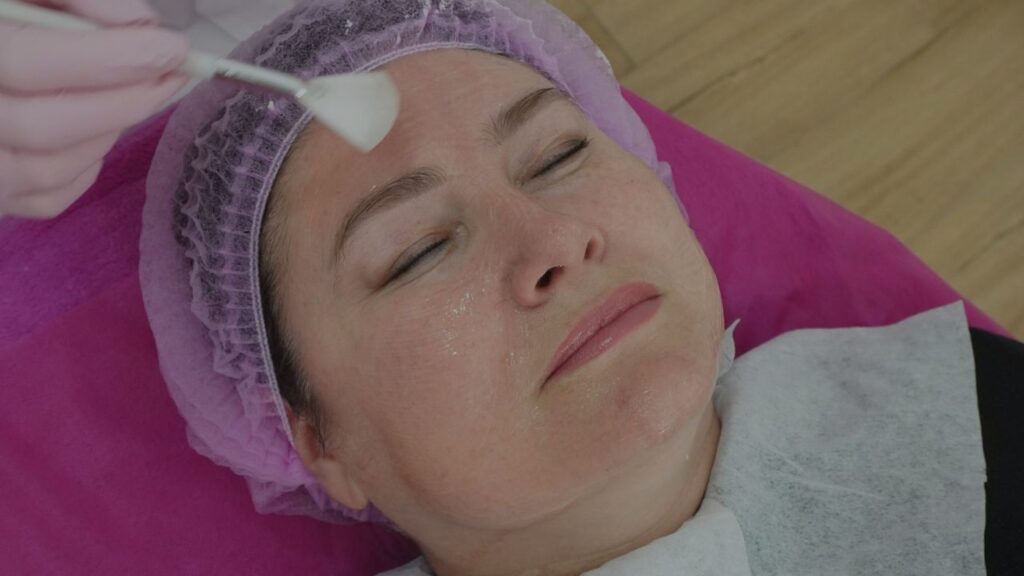
If your skin feels dull, rough, or uneven no matter how many products you use, the issue might not be hydration it could be buildup. Dead skin cells and fine facial hair create a barrier that prevents skincare products from penetrating properly and makeup from sitting smoothly.
That’s where dermaplaning comes in. This advanced exfoliation treatment has become one of the most requested services in professional skincare because of how instantly it transforms the skin’s texture and brightness.
Let’s break down exactly what it is, how it works, who it’s best for, and what to expect afterward.
What Is a Dermaplaning Facial?
A dermaplaning facial is a manual exfoliation treatment performed using a sterile surgical blade. The blade is gently stroked across the skin at a specific angle to remove:
- Dead skin cells
- Surface debris
- Peach fuzz (vellus hair)
- Dull, rough texture
Unlike harsh scrubs or chemical peels, dermaplaning is a controlled physical exfoliation that delivers immediate smoothness without downtime.
Many clients at Buttercup Skin Care NYC choose this treatment before events because of the instant glow and flawless makeup application it provides.
How the Dermaplaning Process Works
Understanding the process helps remove any hesitation about the treatment.
Step 1: Skin Consultation
Your esthetician evaluates your skin type, sensitivity level, and current concerns. Not all exfoliation treatments are right for everyone, so customization is key.
Step 2: Deep Cleansing
The skin is thoroughly cleansed to remove oil, dirt, and surface impurities.
Step 3: Dermaplaning Technique
Using a sterile blade, the professional gently glides across the skin in short strokes. This process removes dead cells and fine hair without causing pain.
Most clients describe the sensation as light brushing or gentle scraping completely comfortable when performed by a trained professional.
Step 4: Soothing & Hydration
After exfoliation, calming serums and hydrating masks are applied to nourish freshly revealed skin.
Step 5: Sun Protection
Because the skin is newly exfoliated, sunscreen application is essential before leaving.
The entire session typically takes about 45 to 60 minutes.
Key Benefits of Dermaplaning
1. Instant Smoothness
The most noticeable result is incredibly smooth skin. Texture irregularities disappear immediately.
2. Brighter Complexion
Removing dead cells allows light to reflect more evenly off the skin, creating natural radiance.
3. Better Product Absorption
Without surface buildup, serums and moisturizers penetrate deeper and work more effectively.
4. Flawless Makeup Application
Foundation sits evenly, and powders blend seamlessly. Many brides and event clients schedule a Dermaplaning Facial a few days before special occasions.
5. Non-Invasive Exfoliation
Unlike stronger chemical treatments, dermaplaning requires no recovery period for most skin types.
Is Dermaplaning Safe for Your Skin Type?
Dermaplaning works well for many people, but suitability depends on individual skin conditions.
Dry Skin
Dry skin benefits significantly from dermaplaning. Removing flaky buildup allows moisturizers to absorb more efficiently, restoring softness and glow.
Oily Skin
For oily skin, this treatment helps remove surface congestion and smooth uneven texture. However, it does not directly reduce oil production, so pairing it with balancing skincare is important.
Combination Skin
Combination skin sees balanced improvement. The T-zone appears smoother, while dry areas absorb hydration more effectively.
Mature Skin
Dermaplaning is excellent for mature skin because it softens fine lines by removing dull buildup and enhances luminosity without aggressive resurfacing.
Sensitive Skin
Sensitive skin can tolerate dermaplaning if redness or inflammation is not active. A professional consultation ensures the treatment is performed gently and safely.
Acne-Prone Skin
If you have active cystic acne or inflamed breakouts, dermaplaning may not be recommended. The blade should never pass over active lesions, as it can spread bacteria.
Common Myths About Dermaplaning
“Will my hair grow back thicker?”
No. Dermaplaning removes vellus hair, which grows back at the same rate and texture. It does not change thickness or color.
“Is it painful?”
Not when done correctly. The sensation is mild and comfortable.
“Is it the same as shaving?”
Professional dermaplaning is much more precise and performed with medical-grade tools by trained experts. It’s designed for exfoliation, not hair removal alone.
What to Expect After Treatment
Post-treatment care plays a major role in maintaining results.
Immediately after your facial, you may notice:
- Slight pinkness (usually fades within hours)
- Increased smoothness
- Enhanced brightness
The skin may feel more sensitive to sunlight because the top layer of dead cells has been removed.
Dermaplaning Aftercare Tips
To protect your results and maintain skin health, follow these guidelines:
1. Apply Sunscreen Daily
Freshly exfoliated skin is more vulnerable to UV damage. Use SPF 30 or higher consistently.
2. Avoid Harsh Exfoliants
Do not use retinol, strong acids, or scrubs for at least 3–5 days unless advised otherwise.
3. Hydrate Generously
Use calming serums and moisturizers to support your skin barrier.
4. Skip Excess Heat
Avoid saunas, steam rooms, or intense workouts for 24 hours if your skin feels sensitive.
How Often Should You Get Dermaplaning?
Most professionals recommend scheduling dermaplaning every 4 to 6 weeks. This aligns with the natural skin cell turnover cycle.
Overdoing exfoliation can weaken the skin barrier, so spacing treatments properly ensures safe, glowing results.
Final Thoughts
Dermaplaning is more than just hair removal it’s a transformative exfoliation treatment that reveals brighter, smoother, healthier-looking skin. It enhances product performance, improves makeup application, and delivers immediate visible results.
Whether you want to refresh dull skin, prep for an event, or simply elevate your skincare routine, dermaplaning offers a safe and effective solution when performed by trained professionals.